This page explains how the program works. The Creator Agreement you sign for a specific project is what governs that project.
The Creator Program includes Builder membership for free (normally $50 a month, or $20 if you join by October 15). It switches on by itself when you apply: free for 30 days while we review your project, and for as long as we build it together under a Creator Agreement. No card needed. We are paid from the profit share instead.
1Why it exists
Most product ideas don't die for lack of value. They die because the person who had them has no engineering team, no factory, no money and no supply chain, and no way to find out whether anyone else wants the thing.
In the Creator Program you don't need to be a hardware engineer or start a company. You bring what you wish existed, even a single sentence. We turn it into a product concept, let the community tell us whether they want it, and for projects we select, we fund the engineering, prototypes and manufacturing.
Idea → Concept → Community Validation → Engineering → Prototype → Beta → Pilot Batch → Market
The Creator brings the problem, the use case and the domain knowledge, and, if they have one, an audience. The Community supports, tests and improves the product. Blockless does the engineering, prototyping, supply chain and production. This is not free outsourcing, and not a client-vendor relationship: whoever creates real value can share in what the product earns.
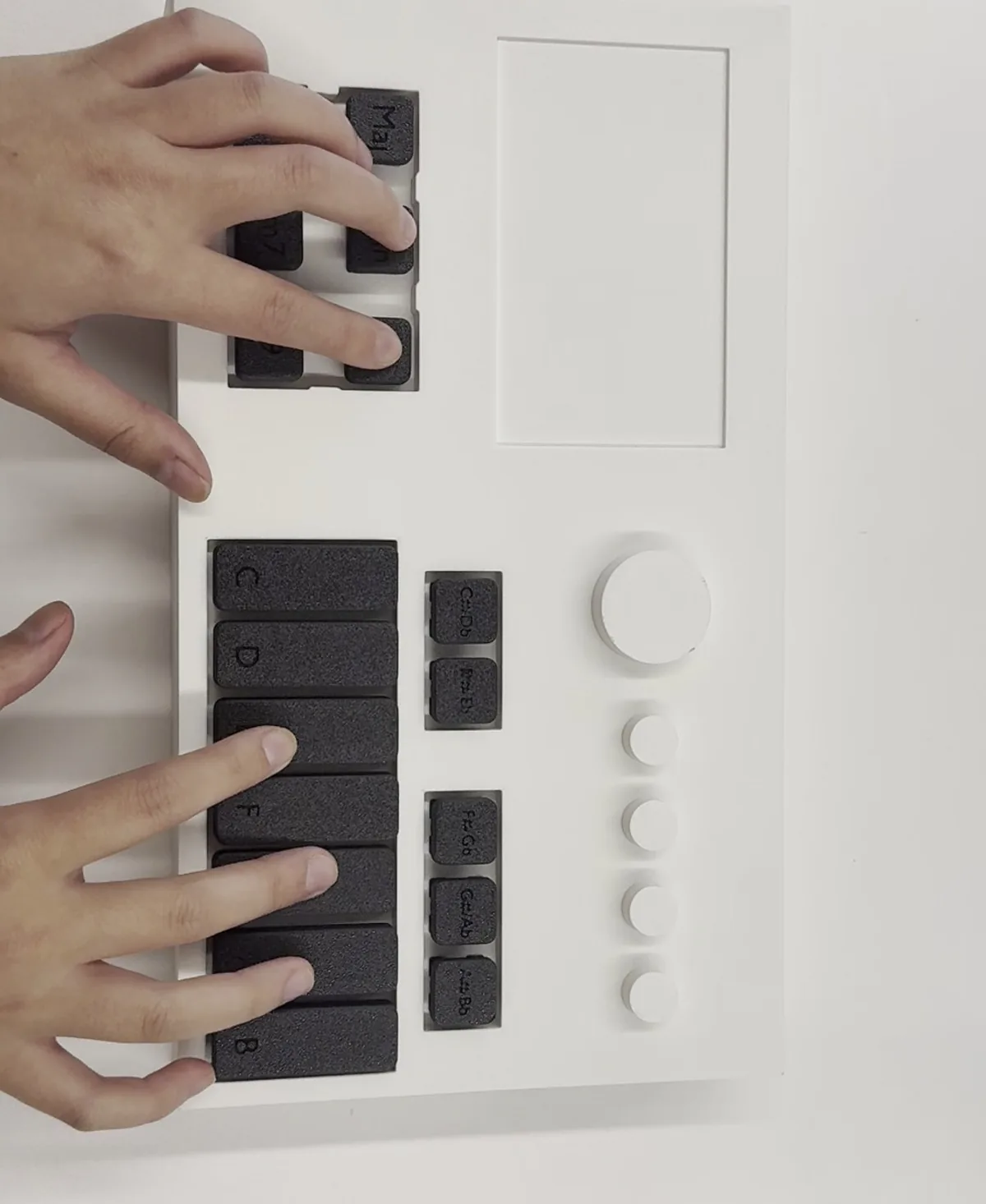
2You do not pay to test your idea
Submitting an idea, refining it and going through community validation are free, and applying gives you Builder free while we review it. For projects that pass validation and are formally selected, Blockless may also pay for the first round of engineering and prototypes, so you are not asked for NRE and prototype fees before anyone knows whether the product is worth building.
Free is not unlimited. Every selected project has a written Sponsored Development Scope: for example one engineering assessment, one product direction, an agreed number of PCB or mechanical iterations, one set of prototypes and basic functional testing. Repeated revisions beyond that, special certifications, expensive tooling, large inventory or specialist lab work are decided again, together.
We raise investment step by step and only as demand shows up. A prototype is cheap; the expensive mistake is the wrong inventory.
3Who owns what
What you already own stays yours. Code, PCBs, CAD, patents, trademarks, designs, content and brands you owned before the project are your Background IP. Describing an idea to us or submitting a project does not transfer any of it.
New engineering work we fund (schematics, layouts, Gerbers, BOMs, firmware, CAD, industrial design, production and test files) is Project Foreground IP. By default, Blockless, or a project entity both sides agree on, holds the rights to Foreground IP it funded. That never changes your Background IP or your standing as the product's original creator. It is what lets us take the engineering risk without asking you for money up front.
4Open by default, private by choice
Open Track (default). You pay no engineering fee. At a stage agreed in advance, the Foreground IP is published under the project's chosen open-source licence. Open still sells: you and Blockless can manufacture and sell the product, and earn from the brand, official versions, kits and services.
Embargo Track: sell first, open later. We agree a commercial protection period (for example 12, 18 or 24 months). The core files stay private while we both sell the product; when the period ends the project opens under a licence agreed up front.
Private / Commercial Track. If you want the files private for good, or exclusive rights, you either buy the specified Foreground IP at an agreed price (Commercial Buyout), or take an Exclusive Commercial License for a defined market, region, category or period, for example five years worldwide in one product category.
5The creator is always named
Owning the engineering and having created the product are different things. If the problem, the direction and the insight came from you, that is recorded permanently, whoever holds the IP:
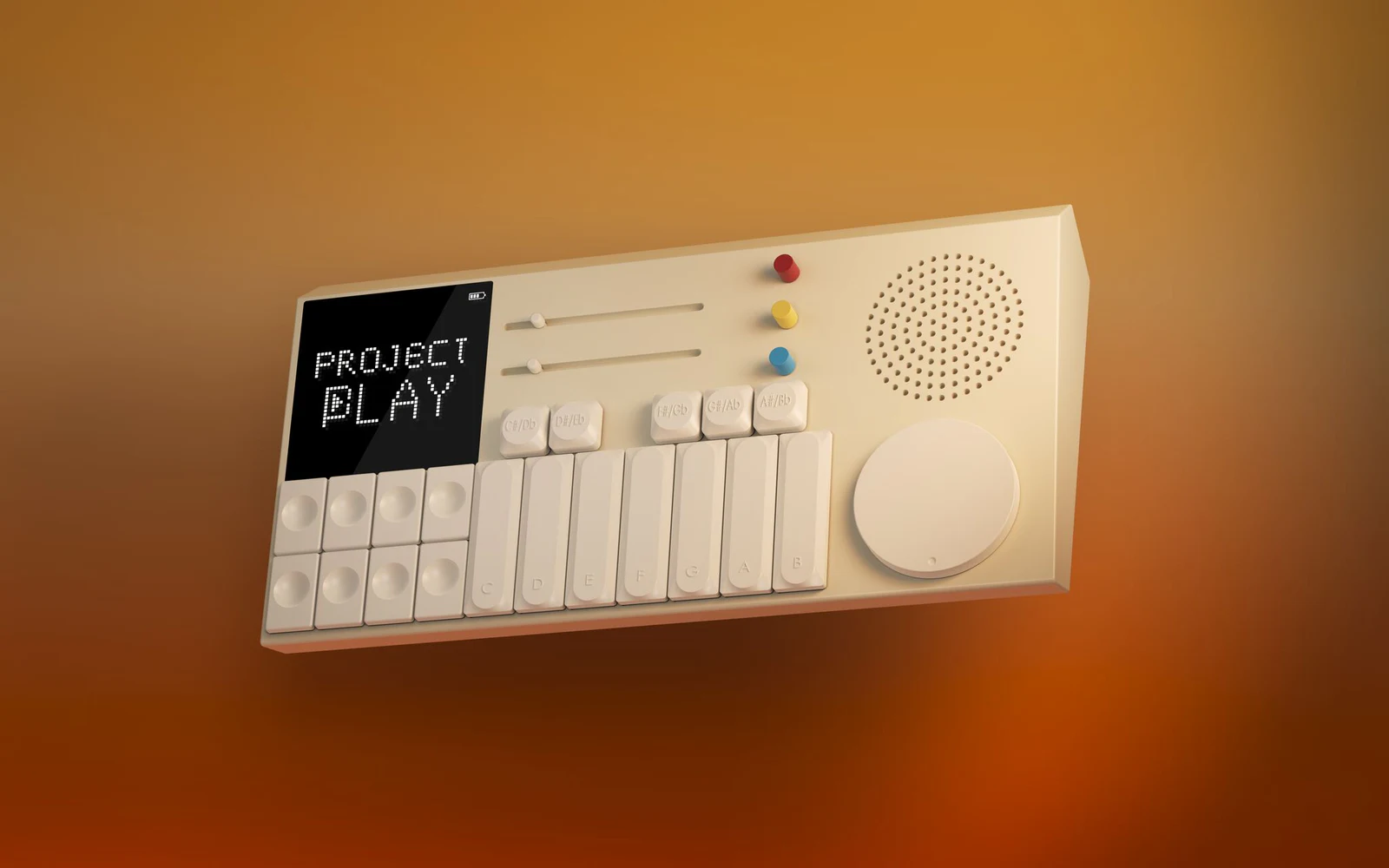
PROJECT PLAY
Original Creator: Rila
Engineered by: Blockless
Community Contributors: 23
6Comments are feedback, contributions are recorded
Likes, upvotes, "I'd buy one" and "make it black" are ordinary feedback. They don't create IP or revenue rights; otherwise a popular project would drown in ownership claims.
A contribution that genuinely changes the product is different: a fix for an overheating power design, a structure that cuts assembly cost, a month of beta testing that finds a critical failure, code that ships. Once Blockless or the project team formally accepts it as a Verified Contribution, the contributor earns credit, Contribution Points and, where the project's commercial rules allow, a share of revenue. Contributions with their own IP (code, CAD, circuits) are licensed to the project under a Contributor Agreement. A per-project Contribution Score that turns those points into payouts is planned.
7When a product sells, we share the profit
A product that earns money gets three pools: a Creator Pool for the idea, insight, audience and ongoing work; a Community Contributor Pool for Verified Contributors; and Blockless, for the engineering, capital risk, supply chain, manufacturing and operations. There is no single ratio: a creator with a million followers and a mature concept contributes differently from one with a single sentence. The split is written into the project's agreement before it goes to market.
A $100 sale is not $100 to share. What is split is Distributable Product Profit:
Sales Revenue
- Manufacturing, BOM and Packaging
- Payment Fees, Logistics and Channel Fees
- Returns, After-Sales and Taxes
- Other Direct Costs Agreed in Advance
= Distributable Product Profit
The exact accounting basis is defined in the commercial agreement before sales begin.
8If it fails, you don't pay. If it grows, we decide again
If a project we agreed to fund stops for a normal reason (not enough interest, failed user validation, costs that don't work, a technical dead end, a weak prototype), you do not repay the costs we agreed to carry. No leftover inventory to buy, no failure penalty. "This isn't worth manufacturing yet" is a real result.
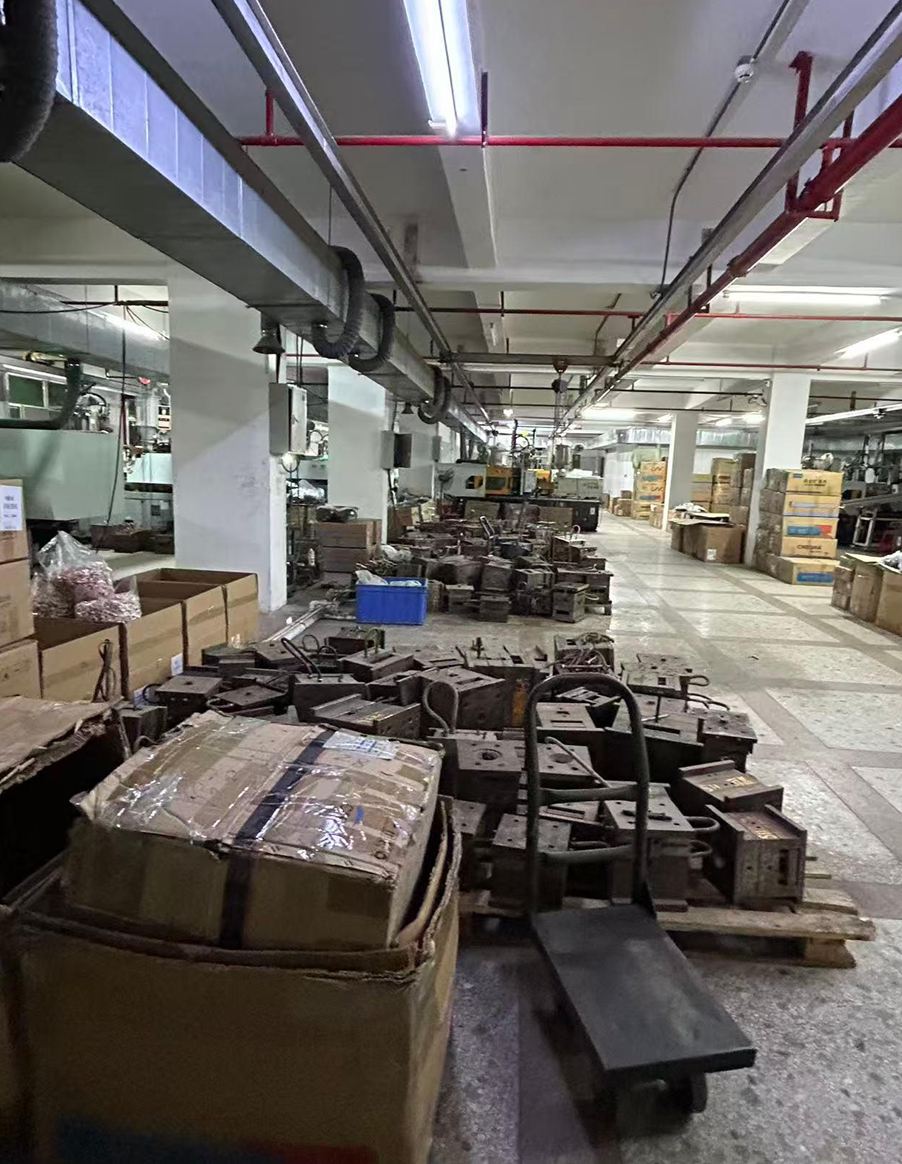
Our funding covers validation, engineering assessment and early prototypes, not everything after. Steel molds, FCC / CE certifications, specialist certifications, expensive parts, bulk machining and inventory can cost far more than a prototype, so scaling up is a new plan made together: continued Blockless investment, creator co-investment, pre-sales, crowdfunding, customer orders or outside investors. We take on validated risk, not inventory without demand.
9NDA first, Creator Agreement later
Before you send confidential files, trade secrets or anything you'd rather keep private, you can sign an NDA with us. It answers one question: can I safely show you what I have before deciding to work with you?
When we decide to build a project together, we sign a Creator Agreement. It sets the Sponsored Development Scope, the track (Open, Embargo or Private), attribution, the profit-share basis and percentages, and what happens if the project stops.